Bill Gates (1955–Present)
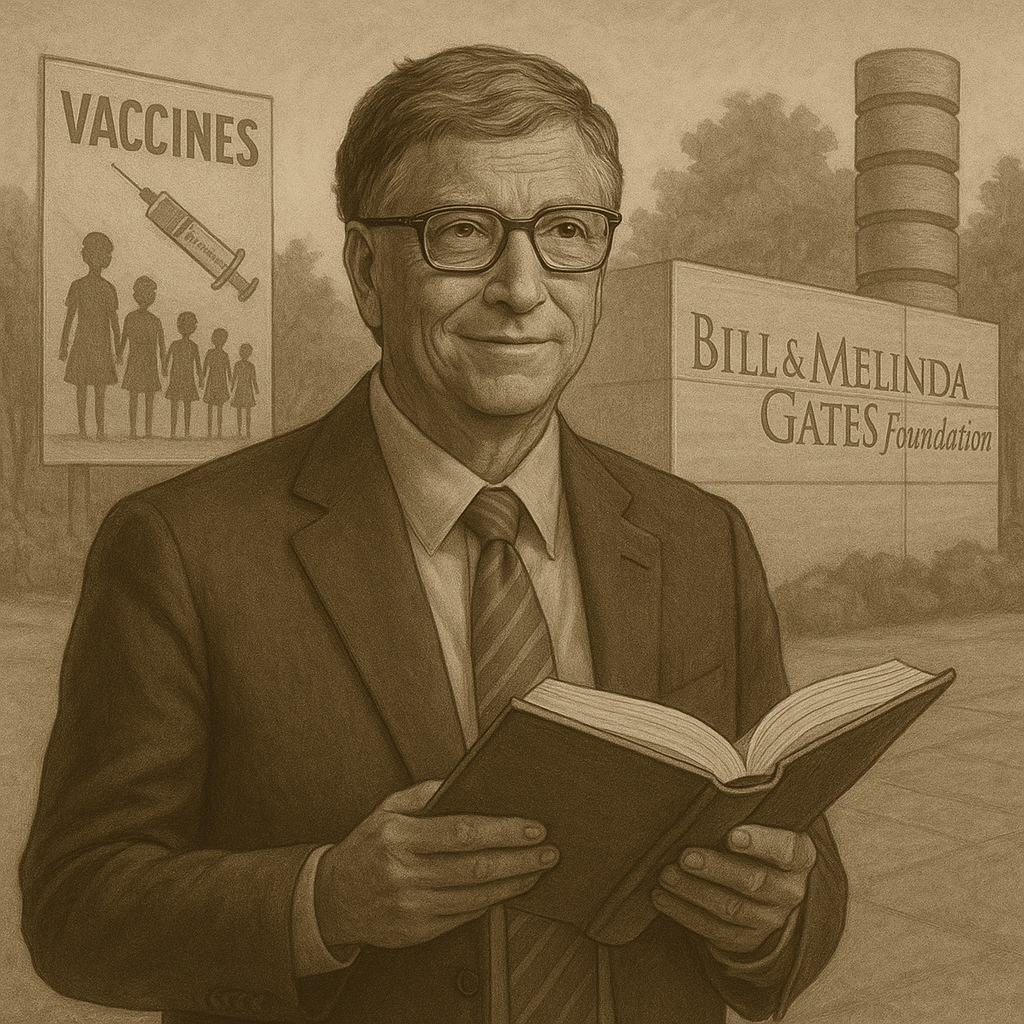
Transitioning from Microsoft to the Bill & Melinda Gates Foundation, Gates has applied data and business strategy to humanitarian work. His focus is on “high-impact” giving—saving the most lives for every dollar spent.









Transitioning from Microsoft to the Bill & Melinda Gates Foundation, Gates has applied data and business strategy to humanitarian work. His focus is on “high-impact” giving—saving the most lives for every dollar spent.
Overcoming poverty and abuse, Oprah Winfrey became a media mogul who used her show to encourage compassion. She popularized “participatory philanthropy,” showing everyday people that their small donations could collectively change the world.
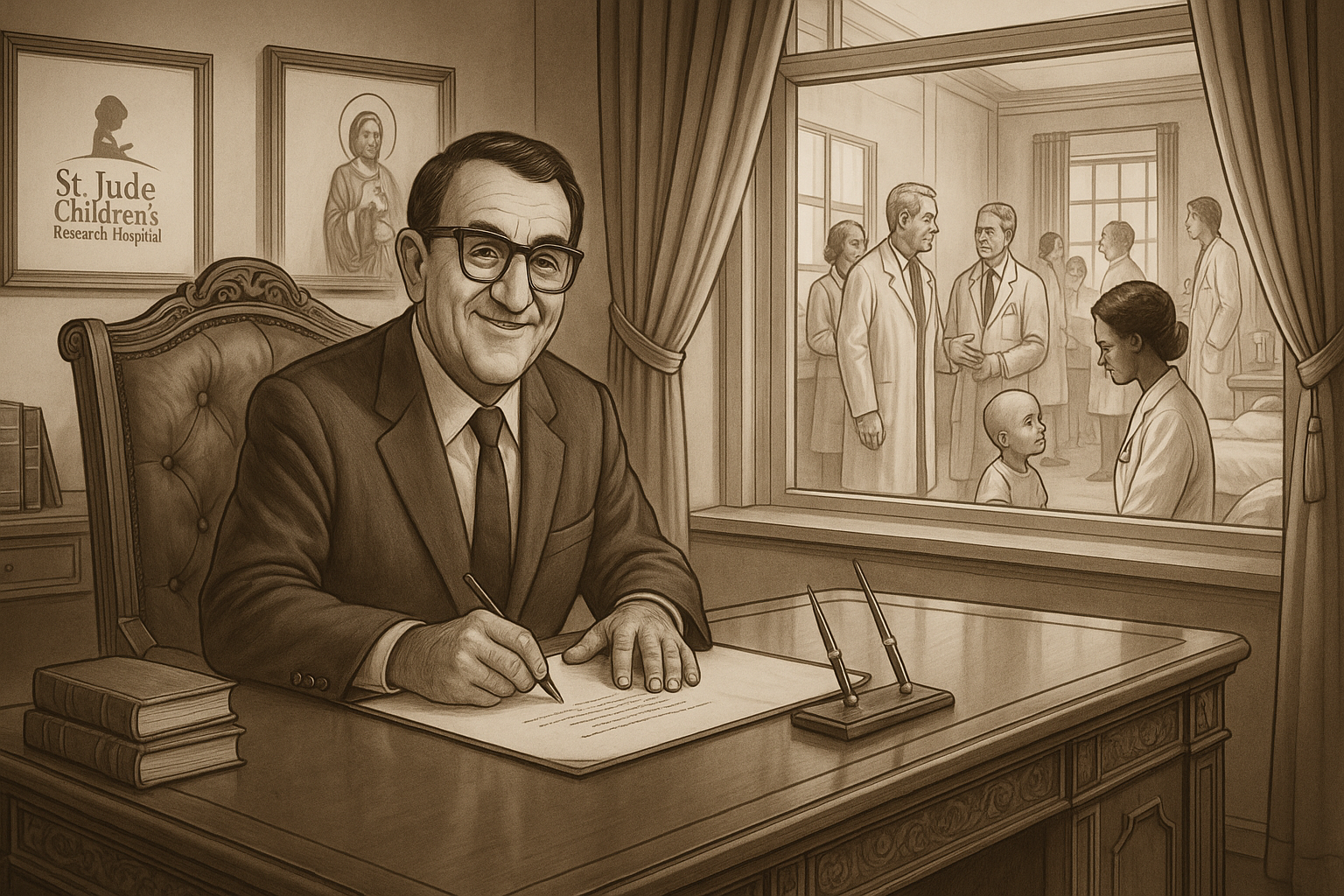
A successful comedian and actor, Danny Thomas promised God that if he found his way in life, he would build a shrine to St. Jude, the patron saint of hopeless causes. That shrine became a research hospital that changed pediatric medicine forever.
Known as “The Greatest” in the boxing ring, Ali was equally powerful as a humanitarian. Driven by his Islamic faith, he viewed his fame as a tool to help the suffering. He traveled the world not to fight, but to feed the hungry and advocate for peace.
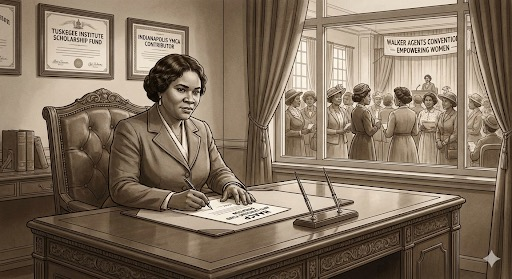
Rising from the cotton fields to become America’s first female self-made millionaire, Madame C.J. Walker used her hair care empire to fund racial uplift. She saw her wealth as a means to fight injustice and support her community.
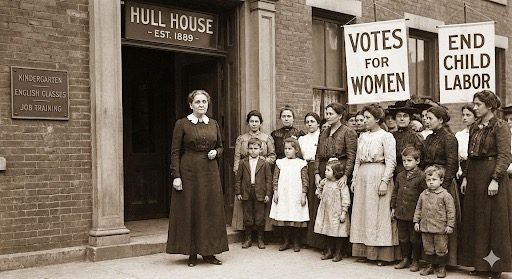
Jane Addams was a pioneer of social justice who believed that democracy meant social equality. She moved into the slums of Chicago to live among the people she served, creating a model for community-based aid.
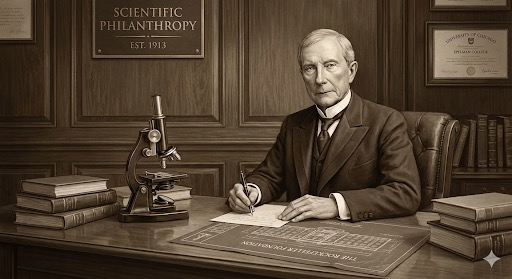
Rockefeller transformed charity into “scientific philanthropy.” Instead of just giving alms to the poor, he created foundations designed to cure diseases, improve education, and solve systematic problems at their root.
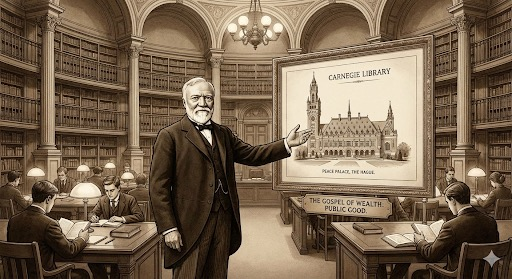
A steel tycoon who became one of the richest men in history, Carnegie spent the last decades of his life giving away 90% of his fortune (approx. $350 million). He believed the wealthy were merely “trustees” of their money and should administer it for the public good.
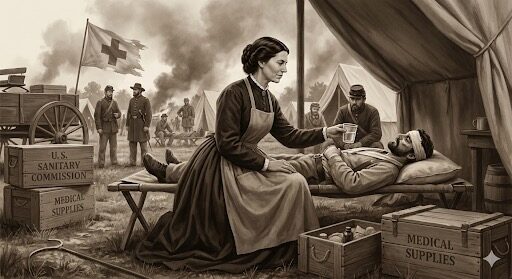
A former teacher and patent clerk, Clara Barton risked her life to bring supplies to the front lines of the Civil War. Her experience taught her that aid must be organized and neutral, leading her to found the American Red Cross.
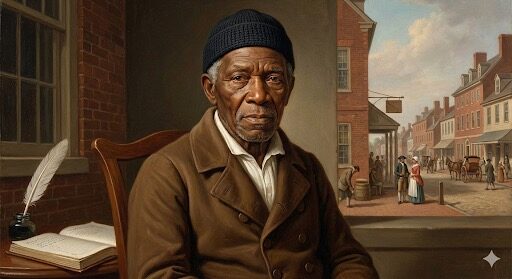
Kidnapped from West Africa and enslaved in Maryland for 44 years, Yarrow Mamout is a testament to the resilience of the human spirit. A devout Muslim, he worked tirelessly to purchase his own freedom. Once free, he became a financier and property owner in Georgetown, demonstrating early Islamic economic ethics in the US.